
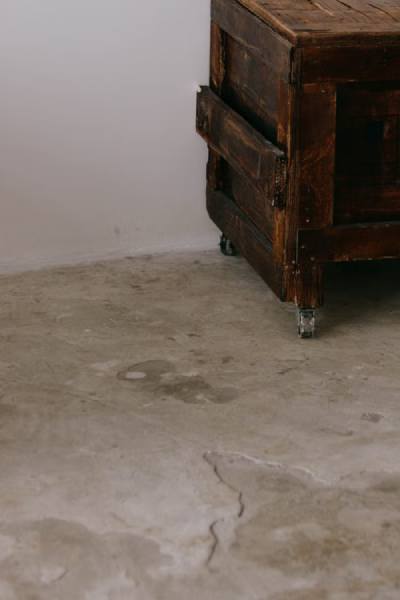
The water is out. You dragged in buckets, ran the wet vac until it wheezed, and pushed fans into every nook and cranny, all weekend long. The concrete looks dry. You sink down onto the sofa, drained, and reassure yourself that it was all behind you now. Next, a couple of weeks later, the dank smell waves upstairs now, and the carpet feels wet again for reasons you can find none. That’s when homeowners notice the floor was never actually dry to start with.
The catch is a place that nearly no one even thinks to look. If you skip the expiration, basement flood cleanup would fail once water sinks below the surface and lingers long after the top feels dry to the touch, deep underneath, sitting there potentially growing all manner of mold spores. What you cleaned is what was visible to you. Trouble, as usual, was a mile down the road.
Such calls come frequently for Restoration Logistics in Boulder, usually a month after the flood, when the smell is impossible to avoid. The homeowner did everything right on top. There was just no way for them to reach the moisture trapped between the finished floor and the concrete slab. It is that gap where cleanup jobs fail quietly.
What the Subfloor Actually Is
A lot of people hear the word and think of pavement. The subfloor is the layer sandwiched between your finished flooring and the slab.
In a dry basement, you might have carpet, then padding, and then either wood or foam underlayment on top of the concrete slab. All of it is soaked by water. Each layer will retain water like a sponge, and only the upper layers dry out first, as they are unlikely to come into contact with air.
Here is the trap. It dries the surface layer; it only extracts moisture from that layer. The padding and underlayment remain soaked, sealed off by the fans above them. Fall upon dry carpet and infer dry floor. They’re not the same.
Why Trapped Moisture is Stubborn
Beneath the surface, water has nowhere else to go. In a sentence, this is the entirety of the problem.
A fan blows air over your floor, which helps. The slab itself is cold, further preventing evaporation. The water just stagnates, moist and concealed, for weeks.
According to the Environmental Protection Agency, mold begins to grow on materials that remain damp longer than 24 to 48 hours. The day you get to day one, that blows right through your subfloor window. When you first see anything, the head start of growth has already occurred in an area you cannot see.
The Damaging Stuff That You Don’t See Coming
Not having a subfloor no longer remains just a minor issue. It tours, slowly, in ways that appear each on their own clock.
So how about a breakdown of what moisture does over time:
- Under the padding and underlayment, mold is growing out of sight.
- The dank brown linger seeps up and takes residence in the entire basement.
- The finished floor buckles above if the wood underlayment warps
- Tiles and planks can loosen or lift due to adhesive breakdown.
- Moisture leaks into the surrounding drywall and baseboards
These all come weeks or months apart. That delay is what people are led to believe. Almost every flood appears managed; then one problem emerges, then another, and none seem connected. They all lead back to the one wet layer, no one ever dried.
Why Wet Vacs and Fans Fall Short?
A shop vac pulls standing water off a hard surface. Good for the visible mess. It will not be able to reach any moisture that has already penetrated the foam underneath the carpeting that cannot be readily lifted.
To dry properly, you have to do more than move air. It requires proper gear, positioned correctly, sometimes with raised flooring or special mats that suck the moisture up through layers. Air movers and commercial dehumidifiers work together to reduce moisture in materials, not just in the room. Therein lies the difference between a floor that appears dry and one that is measured dry.
Could you feel the difference? Almost nobody can. The surface deceives you; it is only a guess without measurements.
How Proper Basement Flood Cleanup Reaches the Subfloor
A trained crew never trusts the surface. They look underneath, because they know that is the place where you either won or lost your job.
They begin with moisture meters, which measure the real water content between or within the flooring layers. The thermal cameras show that the areas of cold, damp are moving across the slab. If the subfloor is wet, they elevate or part the flooring to access it, then dry each stratum until the readings stabilize at typical values. Next, they take a second measurement to be sure.
And that last step is what separates a real cleanup from a hopeful one. All it takes to put on fans is someone to run them, done. Demonstrating that the subfloor is dry requires tools and discipline in their use. If you avoid doing that, the entire undertaking was superficial.
The Question That Saves You Later
When you are about to start any basement flood cleanup yourself or even hire it out, ask one question. How can you tell that the subfloor is dry?
When the answer is “The carpet felt dry,” that does not prove anything. That is a certainty in the guise of a guess. A meter reading is proof. A thermal scan is proof. Being dry to the touch does not mean the padding below is dry.
A flooded basement is a race to remove the water. The much harder truth is the water outside of their visual range, lying beneath layers your fans never excavate. A dry surface gives you a false sense of security. What really prevents the mold, the odor, and the buckled floor from arriving to take up residence later is a dry subfloor.