
A remodel looks simple on paper. You picture the new dining room, the fresh floor tile, the updated storefront. What you rarely picture is the pile of torn-out drywall, old fixtures, snapped shelving, and ripped booth seating sitting in the middle of your space by day two. That debris does not wait politely in a corner. It grows fast, it blocks your crew, and it turns a tidy project into a slow one. Waste planning gets ignored until it becomes the thing holding everything up, and by then your options shrink.
That is why smart planning around a commercial roll-off dumpster matters before the first wall comes down. Restaurant and retail jobs produce waste in bursts. Demolition day floods you with material. Then things go quiet. Then the buildout starts, and the boxes, packaging, and offcuts pile back up. Your container schedule has to match those swings, or you end up paying for a bin that sits empty or scrambling for one that fills too soon. Neither outcome feels good when the clock is running.
RMS Dumpsters & Services LLC works with businesses in exactly this spot. Store remodels and restaurant refreshes are named right on their commercial service list, and the reason is simple. These jobs have tight timelines and paying customers waiting for reopening day. Every hour a crew loses shuffling trash around is an hour added to a closure. Here is how to plan the waste side so it never becomes the bottleneck.
Why Retail and Restaurant Debris Is Different
Most people assume a remodel is a remodel. It is not.
A restaurant tear-out gives you heavy, awkward waste. Old kitchen equipment. Grease-soaked flooring. Tile, grout, and mortar from splash zones. Booth framing that does not break down easily.
Retail runs lighter but bulkier. Think shelving units, display racks, signage, fitting room panels, and mountains of cardboard once the new stock arrives.
Let’s break it down by what actually fills the container:
- Demolition debris like drywall, tile, and old fixtures
- Flooring, whether ripped vinyl, carpet, or broken tile
- Fixtures and millwork such as counters, shelving, and cabinetry
- Packaging waste from new equipment and merchandise
- General trash from crews working long shifts on site
Each type loads differently. Heavy tile and mortar hit weight limits fast. Cardboard eats up space but weighs almost nothing. Knowing your mix tells you what size to order and how often to swap it. A crew that sorts as it goes fills a bin far more evenly, saving you money on pickups down the line.
Choosing the Right Commercial Roll Off Dumpster Size
Guessing here costs you. Order too small and you halt work waiting for a swap. Order too big and you pay for air.
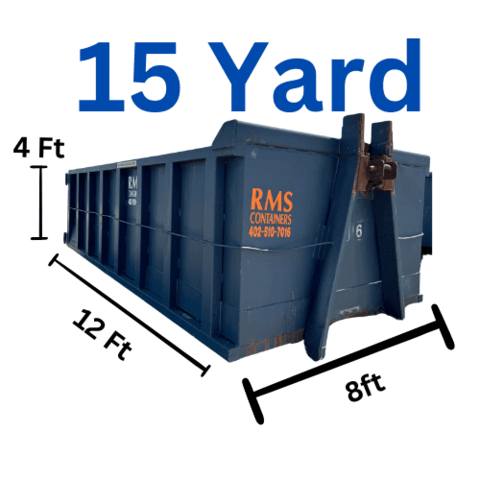
RMS Dumpsters & Services runs containers from 10 to 40 yards. For most restaurant and retail remodels, the middle and larger sizes fit best.
Here is a rough guide:
- 10 to 15 yards: small storefront refresh, light fixture swaps, minimal demo
- 20-yard: standard retail remodel or a partial restaurant update
- 30-yard: full restaurant gut with kitchen removal and flooring
- 40-yard: large-scale demolition or a big-box retail overhaul
Not sure which one fits your debris? Give the yard a rundown of what you are tearing out, and they will point you to the right container instead of letting you overpay. The 40-yard bins run about 20 feet long and 6 feet high, so they suit a full gut job where the debris volume is hard to guess ahead of time.
Timing Your Swap-Outs Around the Build
A single drop-off rarely covers a full remodel. The waste comes in waves, so your container schedule should too.
Think about the phases:
- Phase one is demolition. This is your heaviest waste day. You want a large bin on site and ready before crews start swinging. If it shows up late, your whole timeline slides from hour one.
- Phase two is the lull. Framing and rough work produce less. The bin might sit half full for a few days, and that is fine as long as you planned for it.
- Phase three is buildout and stocking. Packaging piles up quickly here, especially in retail once merchandise arrives. A single delivery of new shelving can bury a small bin in flattened cardboard.
RMS Dumpsters & Services handles one-time drops and recurring swaps. For a longer remodel, a scheduled rotation keeps a fresh container on site without you making a panicked call mid-project. Text them when a bin is full, and they haul it. That small detail keeps your crew working instead of waiting on a truck.
Delivery Day Details That Trip Businesses Up
Here is where projects lose time and money for silly reasons.
Your storefront or restaurant likely sits in a tight spot. Shared parking. Narrow alley access. A loading zone with limited hours. If the truck arrives and cannot place the bin, you may get hit with a dry run fee, which is basically a wasted trip charge.
A few things to check before drop-off day:
- Clear the drop zone of cars and delivery vehicles.
- Confirm the path is wide enough for the truck.
- Check gate locks and access codes ahead of time.
- Watch for low overhangs or awnings near the placement spot.
One more thing that catches people off guard. Heavy materials like tile, concrete, and mortar carry weight limits for safe hauling. If your demo includes a lot of it, tell RMS Dumpsters & Services upfront so they set you up with the right container, and you avoid a coverage fee later. A quick heads-up on the phone saves you a surprise line on the invoice.
Keeping the Reopening on Schedule
Every day your doors stay closed is revenue you do not get back. Customers drift to competitors. Staff wait around. Fixed costs keep running whether you are open or not.
Waste is one of the few remodel variables you fully control. You cannot rush a permit or speed up a contractor’s cure time. You can make sure trash never stalls the job.
Plan the container size to your debris mix. Schedule swaps around your phases. Clear the drop zone before the truck rolls up. Flag heavy materials early. Do those four things and the waste side runs quietly in the background, which is exactly where it belongs.
Billing stays straightforward too. The quote covers your tonnage and rental period, with no fuel surcharges or convenience fees showing up later. You know the number before the truck leaves the yard, which makes budgeting the remodel a little less stressful.
Call RMS Dumpsters at (402) 510-7016 with a rundown of your remodel, and get the container sorted before demolition day arrives.