
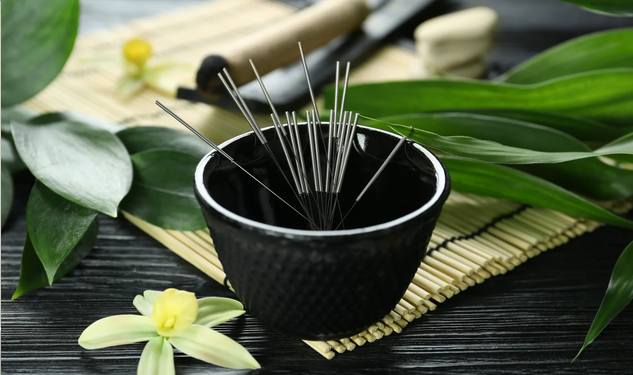
Getting pregnant can be a waiting game with no clear rule book. You monitor your cycle, scour the research, yet still question whether your body is fulfilling its role. Fertility acupuncture is one way many people bolster this process, giving their reproductive health a bit more support. It is a gentle exercise that runs in the background while you do anything else.
So what is it, really? Fertility acupuncture involves the use of extremely fine needles inserted at specific locations throughout the body to promote optimal homeostasis and circulation. Inspired by Traditional Chinese Medicine that considers health as maintained energetic states, also called Qi, moving freely through the body, and stress as disturbances in this natural function of any organism. But when that flow is impeded, it feels wrong, and reproduction can easily be thrown off kilter.
At the Center for Acupuncture & Anti-Aging Medicine, we treat you as a unique individual, not just another chart. They approach it based on your cycle, stress levels, and history! How acupuncture could help, the reality of the evidence, and what it can do for you. So you deserve to know the truth, so let’s get to it.
What Goes on in the Fertility Acupuncture Session?
Your first visit often begins with a lengthy conversation. Your cycle, sleep, digestion, and mood all connect to reproductive health in Chinese medicine, which is why the practitioner asks you these questions! Then comes the treatment. You recline, and the acupuncturist inserts a few very tiny needles at certain points in your abdomen, legs, arms (and occasionally your ears).
Most people feel very little. You might feel a little prick, then pressure or heat, which many find relaxing. No need for medicines, the needles & rest. You keep the needles in for about twenty to thirty minutes, and some people even fall asleep. Because it usually takes several months for the effects to build following one of these treatments, they are frequently repeated weekly.
A form of acupuncture guides improves blood flow for reproductive health.
Why should blood flow matter so much here? Your uterus and ovaries require a consistent supply of oxygen and nutrients. Effective circulation is beneficial in several ways:
- It nourishes the first developing follicle, allowing the egg to develop into a mature embryo.
- It supports the growth of a thick, nurturing uterine lining.
- It nourishes the ovaries and may support egg quality.
This makes it a more peaceful environment for an embryo to implant.
This is where acupuncture seems to come in. Previous studies using electroacupuncture have demonstrated reduced uterine artery resistance, suggesting reduced flow resistance. The needles reduce the nerve compression of these blood vessels, researchers believe. Better blood flow to the reproductive organs may be one of the more physiologically reasonable ways acupuncture might help fertility. Many feel a warm, settling quality in the lower abdomen afterward and take it as a good sign.
Your Nervous System, Acupuncture & Stress
Fertility and stress have a somewhat interactive relationship. No one is denying that stress causes infertility in isolation, but saying “just relax” feels infuriating when you are already doing all the things. However, persistent stress increases cortisol levels, which can disrupt ovulation and hormone signaling. Constant stress in the body signals to it that now is not a good time for reproduction.
This is one of the clearest places where acupuncture has some support. For many, it activates the calming half of your nervous system and decreases cortisol. Many patients describe leaving a session anchored rather than anxious. That stress relief is a tangible uplift in an otherwise laborious and drawn-out passage. Sleep, on the other hand, is when a lot of hormone regulation happens, and plenty of it improves with this too.
Support Hormonal Regulation and Regular Cycles
Your hormones cycle by rhythm, and even small disruptions can delay ovulation or shorten your luteal phase. Acupuncture also may affect the way your brain communicates with your ovaries, often referred to as the hypothalamic-pituitary-ovarian axis. That loop lets your body know when to release an egg (ovulating) and when it will be getting ready for pregnancy.
For those who have irregular cycles or PCOS, acupuncture may help to promote normal ovulation, according to some research. Then, over the course of a few months, several patients notice that their periods start coming regularly. It is still early days for the evidence here, however, and there can, of course, be fairly large individual variability in results. Typically, a practitioner will complement acupuncture with guidance on lifestyle, since sleep, food, and daily movement also contribute to these patterns.
Acupuncture As an Aid to IVF and Fertility Treatment
Acupuncture is a common choice for those going through IVF or another kind of assisted treatment. Here is why they love having that pairing: Acupuncture complements but does not replace the medical care you receive from your fertility team. It backs your system and your spirits while the conventional modality does its thing.
Now, here is the part where a little honesty goes a long way: the research on IVF and acupuncture remains mixed. Assorted reviews show better clinical pregnancy rates when patients add acupuncture to, say, an IVF cycle, but the stay-start benefit looks much less inevitable. The trials vary tremendously in quality. The gains in stress and well-being seem steadier, which can help you readjust and meet the challenge of a busy schedule.
What You Can Expect From Fertility Acupuncture
In fact, acupuncture cannot work on every infertility cause, and no responsible practitioner is going to tell you they can get you pregnant. It can support the conditions your body needs, like lower stress levels, optimal hormone levels, and improved blood circulation. For some of those people, that support really makes a difference. For others, it mainly brings a kind of calm that is so welcome in the middle of a rough patch, and that still counts for plenty. But everyone is different, so try it for a while before deciding if it works for you.
If you’re curious, find a licensed acupuncturist with experience in the fertility space and share it with your fertility doctor. Acupuncture is best used in conjunction with sound healthcare and supportive lifestyle habits that nourish your body daily, as part of a larger plan for your reproductive health.