
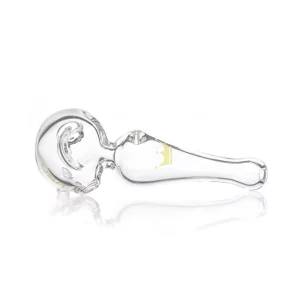
Walk into any shop and watch where people look. Eyes go straight to the glass case, then to the wall display, then maybe to whatever is priced highest. The small stuff sits in bins near the register and gets treated like an afterthought, something you grab if there is change left over. Grinders, trays, cleaning solution, storage containers, screens. Most shoppers walk past all of it. Then three weeks later, something breaks, clogs, or dries out, and the reason traces back to a purchase they never made.
Ask anyone who works the counter at a smoke shop, and they will tell you the same thing. The complaints they hear are rarely about the main purchase. They are about everything around it. That gap between what people buy and what people actually need is wider than the price difference suggests.
Staff at 42 Degrees Cannabis Dispensary have watched this pattern for years across their Nebraska stores. Someone spends real money on a piece, skips the cleaning supplies, and comes back frustrated within a month. The piece did not fail. The upkeep did.
The Accessories Most People Skip
Let us break it down by what gets ignored and what it costs later.
Cleaning Products:
- Skipped because the piece is new and looks fine
- Residue builds faster than most people expect
- Cheap solution now beats replacing glass later.
Grinders:
- Treated as optional, especially by newer buyers
- Affects consistency more than almost anything else
- The gap between a five-dollar grinder and a good one shows up immediately.
Storage Containers:
- Almost nobody buys these on the first visit.
- Air and light do the damage quietly.
- The original packaging is rarely built for this.
Trays:
- Seen as a convenience item
- Actually reduces waste and mess in ways people underestimate
- Small purchase, noticeable difference
Screens and Small Parts:
- Forgotten until something clogs
- Cost almost nothing individually.
- Running out at the wrong moment is the whole problem.
The pattern here is obvious once someone points it out. Every item on that list is cheap. Every item prevents a problem that costs more than the item does.
Why Shoppers Ignore Accessories at Smoke Shops
There are a few reasons, and they are all pretty reasonable on their own.
The first is budget framing. People walk in with a number in their head attached to one item. Anything beyond that item feels like an upsell, even when it is not.
The second is that accessories do not photograph well. Nobody gets excited about a bottle of cleaner. The glass case has the appeal, so the glass case gets the attention.
The third reason is less obvious. New buyers do not know what they will need yet, because they have not hit the problem. You cannot buy a solution to something you have not experienced.
That last one is worth sitting with. Perhaps the real issue is not stinginess. It is that the need is invisible until it becomes urgent.
What Poor Upkeep Actually Does to Your Setup
Here is why it matters more than it sounds.
Residue does not just look unpleasant. It restricts airflow, changes how a piece draws, and makes cleaning harder the longer it sits. A piece cleaned regularly stays easy to clean. One neglected for two months becomes a project.
Storage works the same way. Exposure to air and light degrades what you have, slowly enough that people don’t notice until they compare it against something fresh. Then the difference is obvious, and the money is already gone.
Grinding consistency is the quiet one. Uneven grind changes how everything burns, which changes how much gets wasted. That waste adds up over months in a way a single grinder purchase never does.
Building a Setup That Holds Up
A reasonable approach is to think in layers rather than buying everything at once.
First visit:
- The main piece
- A cleaning solution
- One storage container
Second visit, a few weeks in:
- A grinder, once you know how often you actually use the piece
- Replacement screens or small parts
Later, as needed:
- A tray if mess has become a recurring annoyance
- Odor control products if the situation calls for it
- Backup parts for anything you rely on daily
That order is not a rule. Some people should buy a grinder on day one. It depends entirely on how the piece gets used and how often.
Questions Worth Asking Before You Leave the Shop
Staff can answer all of these in about two minutes if you ask.
- What cleaning product suits this specific material?
- How often does something like this need attention?
- Which parts wear out first and how easy are they to replace?
- Is there a storage option that fits what was just purchased?
- What do repeat customers come back for that first-timers miss?
That final question is the useful one. It gets you the pattern rather than the sales pitch.
Where the Money Actually Goes
Consider two shoppers. Both spend the same total across six months.
The first spends everything on one piece, buys nothing else, and replaces it in month five because upkeep never happened. Total spend covers two pieces.
The second spends slightly less on the piece, adds cleaning supplies, a grinder, and a storage container. Six months later, the piece is still in good shape. Total spend covers one piece and four accessories, and the setup keeps working.
The numbers are invented, obviously. But the shape of that comparison shows up in real purchase histories often enough that shop staff can predict it.
What This Means for Your Next Visit
Accessories are not add-ons in any meaningful sense. They determine whether the main purchase lasts, works properly, and stays pleasant to use.
Nobody needs the whole wall on the first trip. A cleaner and a container are a small starting point that covers most of the early problems.
Before your next visit, look at what you already own and work out what has been quietly annoying you. That annoyance usually points to a missing accessory rather than a bad purchase. Staff across the Omaha locations can match products to whatever piece you are already using.