
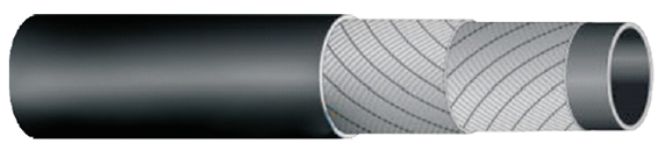
Industrial operations depend on hoses that perform under demanding conditions. The wrong choice can lead to equipment failure, safety hazards, and unexpected downtime. Procurement decisions in this area affect not just immediate costs but operational efficiency for years to come. Understanding what separates adequate products from truly reliable solutions helps businesses avoid costly mistakes.
Understanding Performance Requirements
Pressure Ratings and Operating Conditions: Working with a flexible hose manufacturer means examining how products handle specific pressure ranges. Hoses must withstand not just normal operating pressures but also pressure spikes that occur during startups or valve closures. Temperature fluctuations add another layer of complexity, particularly in processes involving steam, hot oils, or cryogenic materials. Chemical resistance becomes critical when hoses transport corrosive substances or solvents that can degrade inferior materials over time.
Material Selection and Application Matching: A reputable rubber hose manufacturer provides detailed specifications about material compatibility with different media. Natural rubber offers excellent flexibility but may not suit petroleum products, whereas synthetic elastomers handle oils and fuels better. The material must also resist environmental factors like UV exposure, ozone, and abrasion. Matching the right material to your specific application prevents premature failure and reduces replacement frequency.
Dimensional Accuracy and Physical Properties
Size Tolerances That Matter: Internal diameter accuracy affects flow rates and system pressure calculations. Even minor deviations can impact performance in precision applications. Wall thickness determines pressure capacity and durability under mechanical stress. Outside diameter matters for fitting compatibility and space constraints in crowded industrial environments. Procurement teams should request detailed dimensional specifications rather than accepting generic size categories.
Flexibility and Bend Radius Considerations: Hoses need sufficient flexibility to route through equipment without kinking or creating stress points. Minimum bend radius specifications prevent damage during installation and operation. Stiff hoses cause fitting failures and premature wear at connection points. The right balance between rigidity and flexibility depends on whether hoses remain stationary or experience frequent movement during operations.
Quality Standards and Testing Protocols
Essential Certifications to Verify: Look for manufacturers who comply with ISO 9001 quality management standards. Industry-specific certifications vary by application:
- Food-grade hoses require FDA compliance for sanitary applications
- Hydraulic hoses need ISO 18752 testing for impulse resistance
- Chemical transfer hoses should meet EN 12115 standards
- Steam hoses must comply with BS EN 12115 temperature ratings
Testing Documentation and Traceability: Reputable suppliers provide batch testing certificates showing actual test results, not just compliance claims. Burst pressure testing, conductivity measurements for static-dissipative hoses, and material composition analysis should be documented. Traceability allows tracking specific production batches if issues arise, which proves valuable for quality audits and regulatory compliance.
Long-Term Value and Supplier Reliability
Total Cost of Ownership Calculation: Initial purchase price represents only part of the equation. Factor in replacement frequency, downtime costs during failures, and labour expenses for installations. High-quality hoses from established manufacturers often cost more upfront but deliver lower total costs through extended service life. Cheap alternatives may require replacement two or three times more frequently, negating any initial savings.
Supplier Evaluation Criteria: Technical support availability helps resolve application questions and troubleshoot problems. Lead times and stock availability affect your ability to maintain operations and plan maintenance schedules. Consistent product quality between orders ensures reliable performance without surprises. Custom fabrication capabilities matter when standard products cannot meet unique requirements.
Selecting industrial hoses requires balancing technical specifications, quality standards, and supplier capabilities. Procurement teams that prioritise performance requirements, dimensional accuracy, proper certifications, and manufacturer reliability protect their operations from costly failures. Take time to evaluate suppliers thoroughly, request detailed specifications, and verify compliance documentation. Contact experienced industrial hose specialists who understand your industry’s specific challenges and can recommend solutions that deliver lasting value for your operations.
Featured Image Source: https://www.jreltd.com/images/utility-hoses/pic1.jpg