
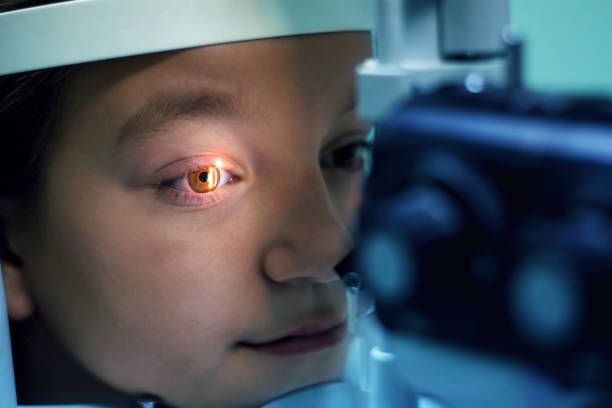
Watching your child struggle with glasses during sports or feeling self-conscious about their appearance can be tough for any parent. OrthoK presents an alternative that reshapes the cornea overnight, allowing kids to wake up with clear vision. The treatment uses specially designed rigid lenses worn only during sleep, which means your child enjoys freedom from eyewear all day long.
For families in the San Fernando Valley, Northridge OrthoK treatment begins with a comprehensive eye examination and corneal mapping. This advanced technology creates a detailed picture of your child’s eye surface, allowing the eye care team to design lenses that fit precisely. The custom approach means each lens matches your child’s unique eye shape, which is critical for both comfort and effectiveness in correcting vision problems.
The Initial Fitting Process
- Understanding the Consultation: The first appointment involves detailed measurements and discussing your child’s lifestyle needs. Eye care professionals use corneal topography to map thousands of points on the eye surface, creating a blueprint for custom lens design. This technology has advanced significantly in recent years, making OrthoK safer and more predictable than ever before. Parents usually find this visit takes about an hour, though some children need extra time to feel comfortable.
- Trial Lens Experience: Once the custom lenses arrive, your child tries them on during an office visit to check the fit. The optometrist examines how the lenses sit on the eye and makes any needed adjustments before your child takes them home. Some kids adapt quickly to the sensation, while others need a few practice sessions. The staff demonstrates proper insertion and removal techniques, which might seem tricky at first but becomes routine within days.
What the First Nights Feel Like
- Adjustment Period Expectations: The first few nights of wearing OrthoK lenses bring different experiences for different children. Some kids fall asleep easily and barely notice the lenses, while others report mild awareness or slight discomfort initially. This sensation typically fades within three to five nights as the eyes adjust. Vision improvements start showing up within the first day, though full correction usually takes one to two weeks.
- Managing Initial Discomfort: If your child mentions awareness of the lenses, reassure them this feeling is temporary and normal. Artificial tears before insertion can help with comfort, and making sure the lenses are clean reduces irritation. Most children sleep through the night without issues once they get past the first few evenings. Keeping a consistent bedtime routine helps because the lenses work best with at least six to eight hours of wear.
Daily Care and Handling
Building Good Habits: Teaching your child proper lens care creates habits that last throughout treatment. The cleaning routine involves:
- Washing hands thoroughly with soap before touching lenses
- Using only approved cleaning solutions, never tap water or saliva
- Rubbing lenses gently with solution to remove protein deposits
- Storing lenses in fresh solution inside a clean case
- Replacing the lens case every three months to prevent contamination
Parental Supervision Needs: Younger children need direct help with lens insertion and removal for the first few weeks. Parents gradually step back as kids gain confidence and skill in using the lenses. Even teenagers benefit from occasional check-ins to confirm they’re following the care routine correctly. Creating a designated spot for lens supplies keeps everything organized and reduces the chance of misplacing items.
Follow-Up Visits and Progress Tracking
- Monitoring Vision Changes: Regular appointments during the first month let the eye care team track how well the corneal reshaping is working. These visits include vision tests and corneal mapping to compare against baseline measurements. The optometrist looks for proper lens fit and checks that the reshaping pattern is centered correctly. Most practices schedule follow-ups after one night, one week, and one month of wear.
- Long-Term Check-Ins: After the initial adjustment period, children typically visit every three to six months for routine monitoring. These appointments catch any changes in prescription needs or eye health early. The lenses themselves need replacement annually, though some may last longer depending on care quality. Tracking your child’s vision stability helps the eye care team make adjustments when needed.
Starting your child on OrthoK treatment means committing to a nightly routine that delivers daytime freedom from glasses. The first few weeks require patience as both you and your child learn the care process and adjust to the new normal. Most families find the effort worthwhile when they see their child playing sports, swimming, or simply waking up able to see clearly. If you’re considering this treatment option for your child, schedule a consultation with a qualified eye care professional to discuss whether OrthoK fits your family’s needs and lifestyle.
Featured Image Source: https://media.gettyimages.com/id/980690792/photo/girl-undergoing-eye-examination.jpg?s=612×612&w=0&k=20&c=gIhVF8vOB0YK66VHszankynaw65dKHM9ioXIqtttQos=