
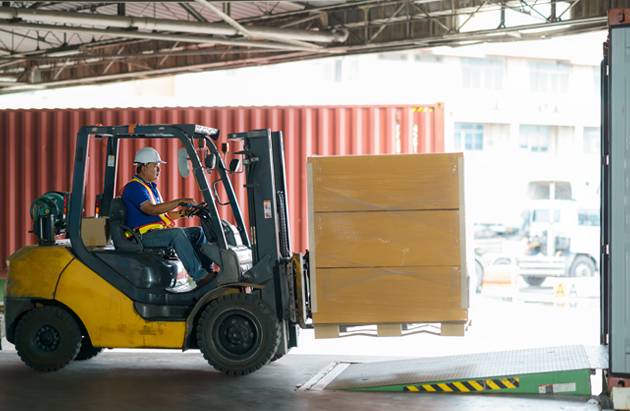
The logistics industry continues to be a powerhouse of economic growth, offering numerous career opportunities for skilled professionals. Navigating this competitive landscape requires more than just ambition—it demands specialised skills and recognised certifications that set candidates apart from the crowd. The transport and warehousing sectors represent critical components of the United Kingdom’s economic infrastructure, constantly seeking talented individuals who can demonstrate technical proficiency and commitment.
A counterbalance training course provides the critical foundation for individuals seeking to establish themselves in the warehousing and logistics sector. These comprehensive programmes equip learners with essential skills, covering everything from technical operation to safety protocols and industry-specific best practices. Participants gain insights into complex material handling techniques, equipment maintenance, and workplace safety standards that are crucial for professional success.
Why Logistics Matters in Today’s Economy
The modern supply chain relies heavily on skilled operators who can efficiently manage complex warehouse environments. Businesses across the United Kingdom depend on professionals who understand the intricacies of material handling, equipment operation, and workplace safety regulations. The global marketplace continues to evolve, creating unprecedented demand for logistics professionals who can navigate increasingly sophisticated operational challenges.
The Importance of Specialised Training
Comprehensive training goes beyond basic operational skills. It provides a holistic understanding of workplace dynamics, safety protocols, and technological advancements in material handling. Employers seek individuals who can demonstrate not just technical competence, but a deep understanding of industry best practices and regulatory requirements.
Skills That Set You Apart
Completing a professional training course demonstrates commitment and expertise. Employers actively seek candidates who bring verified skills, understanding of safety protocols, and the ability to operate sophisticated material handling equipment with precision and confidence. These programmes teach more than just technical skills—they develop critical thinking, problem-solving, and professional communication abilities.
Career Pathways After Training
Logistics offers diverse career opportunities beyond basic warehouse roles. Certified operators can explore positions in distribution centres, manufacturing facilities, retail warehousing, and transportation companies. The skills acquired through training open doors to progression and specialisation. Many professionals find themselves moving into supervisory roles, logistics management, or specialised equipment operation.
Understanding Industry Requirements
Workplace regulations demand rigorous training and certification. Health and Safety Executive (HSE) guidelines require operators to demonstrate comprehensive knowledge of equipment operation, risk assessment, and workplace safety protocols before handling complex machinery. These stringent requirements ensure workplace safety and protect both employees and employers from potential accidents and legal complications.
Overcoming Career Barriers
Many aspiring logistics professionals face challenges breaking into the industry. A structured training course provides the credentials and confidence needed to overcome initial employment barriers. Practical experience combined with formal certification creates a compelling professional profile that stands out in a competitive job market. Training programmes bridge the gap between theoretical knowledge and practical application.
Investment in Your Future
Professional development represents a strategic career move. The initial investment in training can yield significant long-term benefits, including improved employability, potential salary increases, and opportunities for career advancement across multiple industrial sectors. Continuous learning and skill development are key to maintaining relevance in an ever-changing technological landscape.
Technical Competence and Personal Growth
Beyond technical skills, counterbalance training courses develop crucial soft skills. Participants learn communication, teamwork, and problem-solving techniques that are valuable across various professional contexts. The ability to operate complex machinery requires mental discipline, attention to detail, and a commitment to safety and efficiency.
Choosing the Right Training Programme
Selecting an appropriate training course requires careful consideration. Prospective students should research accredited providers, examine course curricula, and understand the specific certifications offered. Factors such as course duration, practical training components, and industry recognition play crucial roles in making an informed decision.
Embarking on a counterbalance training course represents a transformative step towards a rewarding career in logistics. Aspiring professionals should research accredited programmes, understand industry requirements, and commit to continuous learning. Those ready to take the next step can explore local training providers, attend information sessions, and begin their journey towards a dynamic, fulfilling career in the ever-evolving world of logistics and warehousing.
Featured Image Source: https://www.hgvc.co.uk/wp-content/uploads/2024/10/forklift.jpg